

Most B2B companies with a website, an email list, and a LinkedIn page think they're doing multi-channel marketing. And technically, that's true. But having a presence on multiple channels and running a multi-channel marketing campaign that actually moves buyers down the pipeline are two very different things.
According to HubSpot’s 2026 State of Marketing Report, 75% of marketers now use 5 or more distinct marketing channels.1 However, most companies are still running disconnected campaigns where each channel operates independently, and nothing seems to move the needle forward.
At Mojenta, we’ve built multi-channel programs for hundreds of B2B telecom, IT, and cloud companies – and the gap between “we're on a few channels” and “our channels work together” is where we’ve seen most marketing budgets get wasted. Read on to learn what should go into a multi-channel marketing campaign, plus tips to help you see if yours is set up to deliver results.
What Is Multi-Channel Marketing?
Multi-channel marketing focuses on reaching your audience across multiple channels – such as your website, social media, emails, paid search, and events – so buyers can engage with your brand wherever they naturally spend their time.
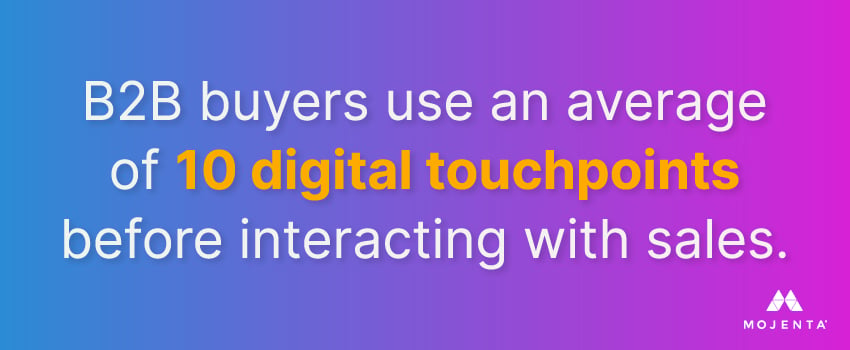
Choice is the driving factor behind this approach. Today’s B2B buyers use an average of 10 digital touchpoints before interacting with a sales team.2 Multi-channel marketing puts your message in front of all those different personas, in all those different places, with messaging that reinforces instead of conflicts.
How To Build A Multi-Channel Marketing Campaign That Works
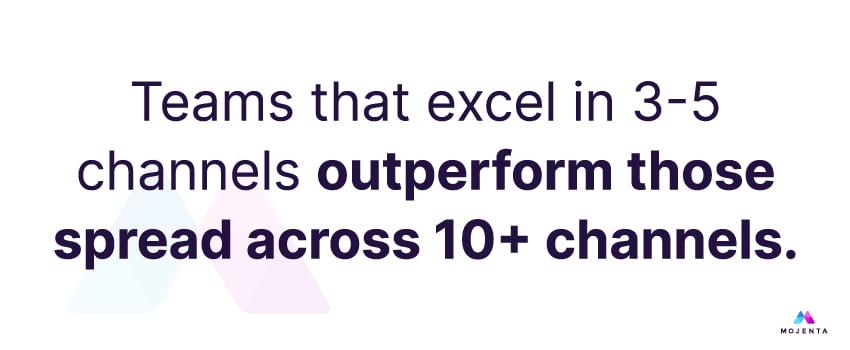
Building an effective multi-channel campaign is more than just showing up everywhere. In fact, teams that excel in three to five channels outperform those spread across 10+ channels.3 That’s because those marketers orchestrate their channels so they work together to move prospects from awareness to a qualified conversation.
Here’s what it takes to build a better multi-channel campaign:
Define Multi-Channel Marketing For Your Business
Don't just assume you have a multi-channel strategy just because your brand is present on a few different platforms. These three things need to be true for a working multi-channel marketing campaign:
- You're active on two or more channels with real content and campaigns, not just a placeholder profile.
- Every channel serves its own purpose in the buyer's journey, rather than repeating the same generic message everywhere.
- You're tracking each channel’s performance, so you know what's contributing to the pipeline.
If your setup doesn't check all the boxes, you’ll need to fix your strategy before adding another platform to the mix.
Determine Your Messaging and Content
Once you’ve defined your strategy, get clarity across these dimensions:
- Consistent Message: Your value proposition should sound like the same company across email, social, and your website, even if the format changes. A buyer shouldn't feel like they're talking to different companies on different channels.
- Channel-Specific Content: Each channel has its own format and expectations, and content that ignores that gets ignored back. For example, emails can be longer and more detailed, and LinkedIn posts should be more visual and scannable.
- Defined Sequence: Which channel introduces a prospect to your brand? Which one closes the loop before a sales conversation? Mapping this out prevents your channels from working against each other.
- Shared Measurement: Every channel should report into the same view of the pipeline, so you can see what's driving results instead of judging each channel in isolation.
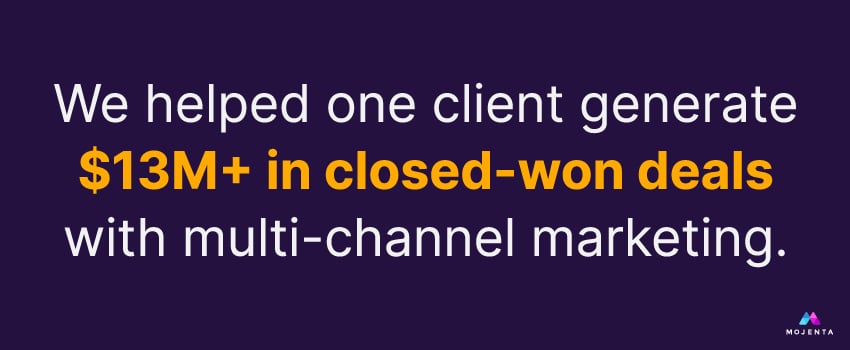
We helped TailWind Voice & Data rebuild their campaigns around this structure – connecting website, email, and content into a single system instead of running each one separately. The results were staggering: TailWind saw over $13 million in closed-won deals once their channels started working together. Read the TailWind case study for the full story.
Embrace Multi-Channel Marketing Automation
None of this works at scale without automation. Multi-channel marketing automation is what allows a lead who downloads a guide to automatically receive a follow-up email, get added to a retargeting audience, and show up on your sales team's radar, all without someone managing each step.
A well-built automation setup can handle:
- Lead scoring to let your team know which prospects are ready for a sales conversation.
- Triggered email sequences based on specific actions a lead takes.
- Syncing data between your CRM and marketing platform so nothing falls through the cracks.
- Follow-up timing across channels, so your leads don't go cold while waiting for an agent to take action manually.
At Mojenta, we build these systems for our clients using HubSpot, because it connects these channels instead of leaving them siloed. When automation is set up correctly, your team spends less time on repetitive follow-up and more time on the conversations that need a human.
What Is An Example of Multi-Channel Marketing?
Think of a prospect downloading a guide from your website (score!). In an effective multi-channel marketing campaign, that action will trigger an automated email nurture sequence, add the prospect to a LinkedIn retargeting audience, and flag them in your CRM for a follow-up call if they engage with a second piece of content.
Each channel does its part here. The email nurtures the prospect with more information. The LinkedIn ads keep your brand visible while the prospect is still researching. The CRM alert makes it so that a real person on your team can follow up at the right time. That's the difference between your channels working together and them simply existing.
Best Examples of Multi-Channel Marketing for B2B Telecom and IT
In the B2B telecom and IT industry, the strongest multi-channel programs tend to combine a few important elements:
- Organic search content paired with email nurturing pulls prospects who find you through a blog post into a longer conversation instead of just letting them leave after one website visit.
- Account-based marketing layered with paid social targets decision-makers at specific companies across both channels at once.
- Webinars promoted through email and social grab attention. Follow up with targeted content for attendees based on what they engaged with.
- Case studies distributed through sales outreach, email campaigns, and social proof on your website help to reinforce the same results across every touchpoint.
CoreDial is a good example of this in action. Before BCM One acquired it, we helped rebuild CoreDial’s website and connect it with targeted campaigns across channels. The result was a 528% increase in closed-won deals, driven by channels that reinforced each other instead of operating independently. See how it all came together in the full CoreDial case study.
Make Your Channels Work Together With Mojenta
Multi-channel marketing isn't about being everywhere. It's about making sure the channels you're on support each other, so a buyer's experience feels connected no matter where they encounter your brand.
Mojenta helps B2B telecom, IT, and cloud companies build marketing programs where every channel does its job and reports back to the same goal. We audit your current setup to identify gaps, rebuild automation so leads flow through your system, and tie measurement to pipeline so you can see which channels are truly driving deals.
Not sure if multi-channel marketing is working for you? Book a meeting with our team today to see what it should look like for your business.
Sources: