

Telecom buyers have more options than ever, and switching providers has never been easier. Customer loyalty to telecom providers has dropped 22% since the pandemic, according to TechSee’s churn research, so a strong network and a competitive price sheet no longer close the deal on their own. A modern telecom marketing strategy has to sharpen your positioning, reach the right accounts, and protect the revenue you already have. This guide shows you how to do all three.
What Is Telecom Marketing?
Telecom marketing is the set of strategies a telecommunications company uses to position its services, generate demand, and retain customers. It covers brand messaging, website content, paid campaigns, sales enablement, and the communication that continues after a contract is signed.
For B2B telecom and IT providers such as UCaaS, SD-WAN, fiber, and managed connectivity companies, the job looks very different from consumer mobile marketing. Deals are larger, sales cycles run for months, and a single purchase is usually approved by an IT leader, a finance lead, and an operations stakeholder. Many providers also sell through telecom agents and managed service providers, which adds another audience to educate.
The goal is not just visibility. Effective telecom marketing builds enough trust and clarity that buyers arrive at a sales conversation already understanding why your service fits their business.
Why Telecom Services Are So Hard to Differentiate
Most telecom offerings look nearly identical on a comparison sheet. Uptime guarantees, speeds, and per-seat pricing blur together, so buyers default to the cheapest option or stay with the incumbent. That creates a familiar set of problems for marketing teams:
- Commoditized messaging. When every provider promises reliable, scalable connectivity, nobody stands out and price becomes the only lever left.
- Crowded buying committees. One deal can involve IT, finance, and procurement, each with different questions and objections.
- Leads that never convert. Broad campaigns generate contacts, but sales teams waste time on accounts that were never a fit.
- Churn at renewal. Customers who only hear from you when the invoice arrives are easy targets for a competitor’s switching offer.
A sharper marketing strategy for the telecom industry addresses all four at once, instead of layering more tactics on top of an unclear message. If these challenges sound familiar, book a call with our team and we will help you find where your marketing is losing deals.
Three Pillars of a Telecom Marketing Strategy That Wins Deals
Rather than chasing a long list of disconnected tactics, the most effective marketing strategies for the telecommunication industry come down to three connected pillars, each building on the last.
- Positioning that names a buyer and an outcome. Start with win/loss interviews, a review of competitor messaging, and honest conversations with your sales team. Then build a value proposition for a defined segment, such as multi-location healthcare groups or mid-market retailers, that states the business result you deliver. Carry that message consistently across your website, sales decks, and partner materials.
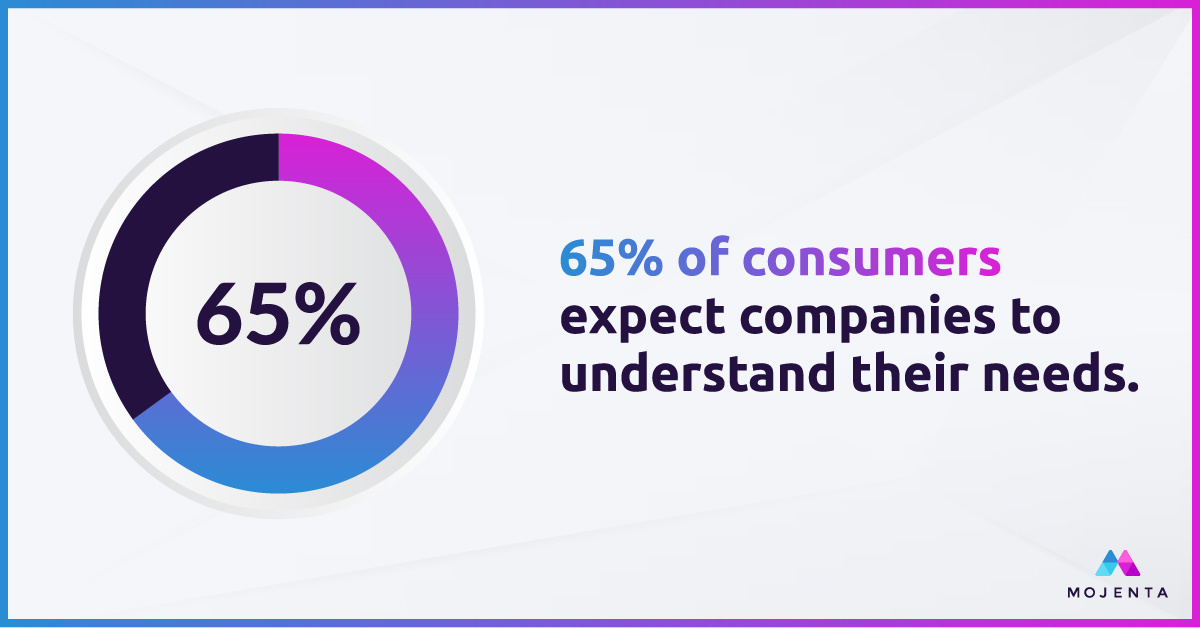
- Account targeting powered by data. Use firmographic, technographic, and intent data to identify the companies most likely to buy, then concentrate budget on them. Salesforce research shows 65% of customers expect companies to understand their needs, and B2B buyers apply that standard to every vendor. An account-based marketing program lets you tailor content, ads, and outreach to each high-value account and its buying committee.
- Content and search visibility that educates the whole committee. Buyers do most of their research before speaking to sales, so build a content library of comparison guides, migration checklists, ROI calculators, and case studies with real numbers. Optimize it for traditional search and for AI answer engines like ChatGPT and Google’s AI Overviews, so your expertise appears wherever buyers ask questions.
When these pillars work together, marketing hands sales fewer, warmer, and better-informed opportunities.
Treat Retention as a Growth Channel
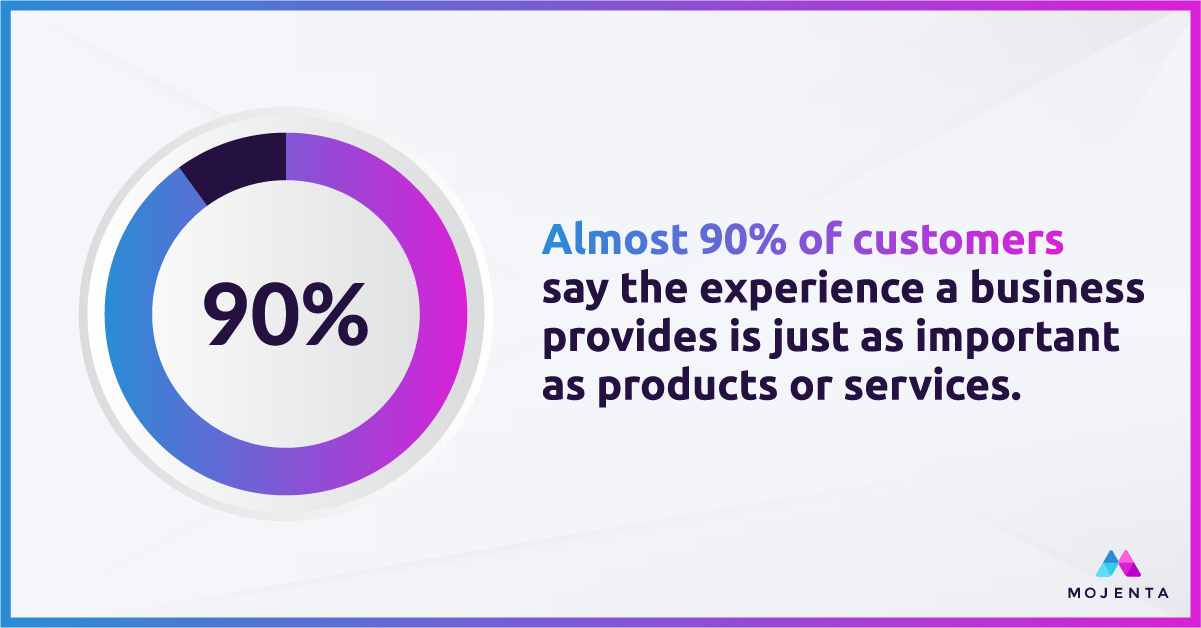
Keeping an account costs far less than winning a new one, and renewal is exactly where competitors strike. Salesforce found that nearly 9 in 10 customers say the experience a company provides matters as much as its products. Build that experience into your marketing plan with:
- Onboarding content. Welcome sequences, setup guides, and short training videos reduce early friction and support tickets.
- Proactive account communication. Quarterly business reviews, usage reports, and roadmap updates keep you visible between renewals.
- Customer marketing. Turn satisfied clients into case studies, referral sources, and reviewers, which also feeds your acquisition content.
- Expansion offers. Use account data to spot upsell moments, such as new locations or added seats, before a competitor does.
A retention-focused plan also gives marketing ownership of net revenue retention, one of the metrics leadership watches most closely.
Measure Pipeline, Not Just Traffic
Traffic, impressions, and form fills are useful signals, but they rarely convince a CFO. Connect your CRM and automation platform so marketing analytics can trace every campaign to opportunities, closed revenue, and renewals. That visibility shows which channels, content, and accounts actually produce deals.
Review the numbers with sales every month. If a segment books meetings but stalls at the proposal stage, the messaging needs work. If partner-sourced deals close faster, shift budget toward channel enablement. This kind of alignment is how TailWind Voice & Data turned its website and marketing into more than $13 million in closed/won deals.

Frequently Asked Questions
What does a telecom marketing agency do?
A telecom marketing agency plans and runs marketing programs for telecommunications companies, including positioning, website development, content, SEO, paid media, and account-based campaigns. The best agencies already understand telecom buyers, channel models, and technical products. That lets them skip the learning curve and focus on generating qualified pipeline.
How can telecom companies improve customer retention?
Start by mapping where customers get stuck or complain, then fix those moments with better onboarding, proactive communication, and responsive support. Regular business reviews, usage insights, and incentives tied to renewal give customers clear reasons to stay. Marketing should own a customer communication plan, not just acquisition campaigns.
How do you implement AI in telecom marketing?
Begin with use cases that save time or sharpen targeting, such as lead scoring, intent data analysis, content personalization, and churn prediction. Feed the tools clean CRM data, test on one segment, and measure the impact on pipeline before scaling. Keep a human review step for customer-facing content to protect accuracy and brand voice.
Does SEO work for telecom companies?
Yes. B2B telecom buyers research providers, compare solutions, and look up technical questions long before they contact sales. Ranking for those searches, and appearing in AI-generated answers, puts your expertise in front of buyers while they are building a shortlist. Telecom SEO works best when paired with content built for each stage of the buying journey.
Build a Telecom Marketing Strategy With Mojenta
A winning telecom marketing strategy does not need dozens of moving parts. It needs clear positioning, focused account targeting, content that educates the entire buying committee, and a retention plan that protects the revenue you have already earned. Mojenta works exclusively with B2B telecom, IT, and cloud companies to build exactly that. Book a call with our team, and we will map out a growth plan built around your market and your goals.
Sources: